A pallet rack decision can look simple on a drawing. In a working warehouse, it affects aisle width, forklift movement, picking speed, and safe access to stored goods. The right choice depends on more than price or available floor space. Buyers also need to consider pallet dimensions, load weights, building height, inventory turnover, and future expansion. Small details matter. A few centimeters can change clearances; a heavier-than-planned load can change the rack specification.
Warehouse-design expert Dr. James A. Tompkins has written extensively about aligning facility design with operational needs. An editorial paraphrase of that principle is: “Choose storage around the work your warehouse must perform.” It is a useful test for comparing Pallet Rack Systems across suppliers. Ask how each design fits your actual loads, handling equipment, and daily workflow—not just the product brochure.
Global purchasing adds more questions. Confirm that drawings, load information, finishes, and installation responsibilities are clearly documented. Check how components will be identified, packed, shipped, and supported after delivery. Details vary by project. So do lead times. A low quotation may leave important costs or requirements unclear, and buyers should pause when specifications are incomplete. Good questions protect the decision. This guide presents ten practical tips for evaluating Pallet Rack Systems, comparing proposals, and choosing a configuration that can serve today’s operation without ignoring tomorrow’s needs. Not every warehouse needs the most complex design. Fit matters.
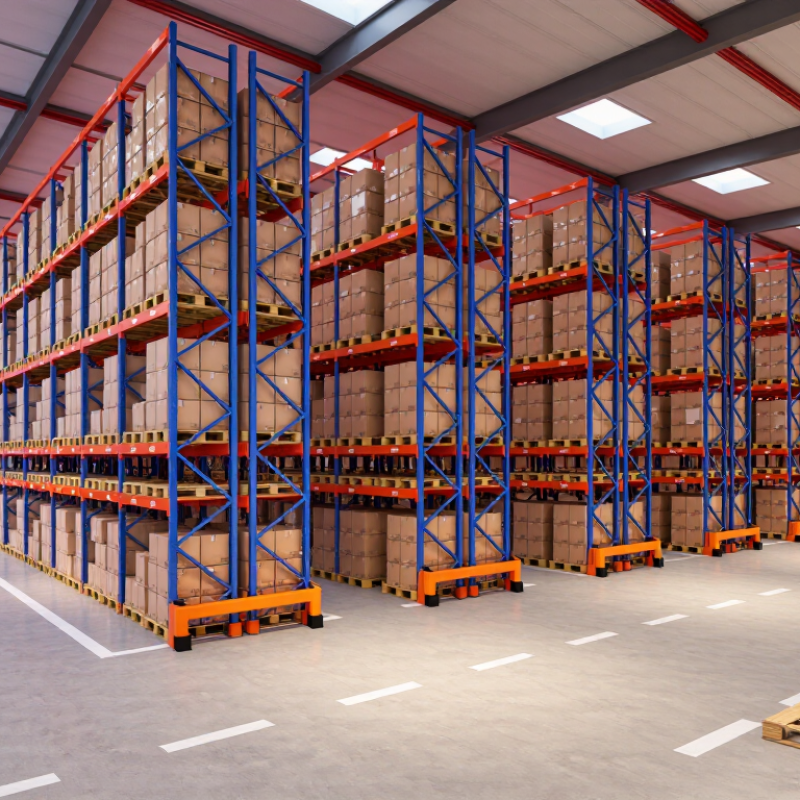
Pallet rack choice begins with the way goods move, not just the height of the warehouse. Selective rack gives operators direct access to each pallet position. It suits varied products and frequent order picking, though its aisles use valuable floor space. Measure the forklift’s turning needs before fixing aisle widths. A few centimeters can change daily handling.
Pallet flow rack uses rollers or wheels to move pallets toward a picking face. It supports first-in, first-out rotation, useful for dated goods, but requires compatible pallets and careful maintenance.
Cantilever rack is designed for long or bulky loads, such as pipe and timber, rather than standard pallet footprints.
Compare load sizes, stock turnover, floor space, and replenishment patterns. Ask a qualified rack designer to verify beam capacities, slab conditions, and protection needs. Drawings help, but a drawing cannot show every awkward pallet or rushed shift.
10 Pallet Rack Systems Tips for Global Buyers
Assessing load capacity, pallet sizes, and warehouse requirements starts with accurate site information. Measure clear height, aisle width, floor condition, and sprinkler locations before requesting quotations. Record the heaviest pallet, not the average one. A rack rated for 1,000 kilograms per level may fail if loads are uneven or poorly distributed. Ask for structural calculations, load tables, and installation guidance from qualified professionals. Local engineering and fire-safety requirements can differ between countries.
Tip: Measure twice. Pallets often vary in length, width, and entry direction. Confirm the actual pallet footprint, including overhang and damaged boards. Then check whether forklifts can turn comfortably within the proposed aisle. A layout that looks efficient on paper may slow daily operations. I have seen buyers save floor space, then lose productivity through awkward handling routes.
Tip: Leave practical clearance. Include beam deflection, sprinkler access, lighting, ventilation, and future inventory changes. Consider seismic conditions where relevant. Floor anchors also require suitable concrete strength and depth. Do not rely only on a supplier’s standard diagram. Share real product weights, pallet photos, and forklift specifications. One overlooked detail can force expensive modifications. The “perfect” layout may need revision after a real traffic test.
Pallet footprint affects rack-bay sizing, aisle planning, and storage density. These area figures are calculated from common nominal pallet dimensions; confirm the actual pallet and load dimensions before specifying a rack system.
Footprint area is not a rack load rating. Required beam capacity depends on the loaded pallet weight, load distribution, rack configuration, and applicable local requirements.
10 Pallet Rack Systems Tips for Global Buyers
Comparing Materials, Safety Standards, and Regional Regulations
Global buyers should compare more than price and beam capacity. Material choice affects safety, service life, and inspection needs. Cold-formed steel can reduce weight. Heavier structural steel may tolerate demanding loads. Neither option is automatically better. Ask for yield strength, coating thickness, weld details, and tested load tables. Check corrosion exposure, especially near ports or humid storage rooms. A painted frame may look strong. Appearance proves little. One overlooked detail is pallet quality; damaged pallets can distort otherwise compliant racks.
Safety rules change by region. US projects may involve OSHA requirements and ANSI/RMI guidance. European installations often reference EN 15635, while seismic zones require local engineering checks. Fire protection, aisle widths, anchoring, and floor capacity can also fall under municipal codes. Treat these references as a starting point, not universal approval. Request drawings, calculations, inspection records, and installation instructions in the working language. Confirm current editions with a qualified local engineer.
Use a region-specific checklist before purchase. Verify upright guards, beam locks, base plates, and rated signage. Match the rack to forklift impact risks and expected loading cycles. Plan routine inspections after relocation, impact, or visible deformation. I have seen projects fail because a supplier’s catalog load assumed perfect floors and undamaged pallets. That assumption was too generous. Buyers should challenge unclear tolerances and ask who accepts responsibility for field changes. Keep spare components traceable. A low initial price can become expensive when compatible replacements are unavailable.
Global buyers should judge pallet rack suppliers beyond steel price. MHI’s 2024 Annual Industry Report says 55% of respondents expect to adopt robotics and automation within one to two years. That shift changes rack requirements. Ask suppliers for verified load tables, beam deflection limits, weld procedures, material certificates, and engineering calculations. Confirm compatibility with forklifts, conveyors, scanners, and future automation. A cheap rack may become expensive when every bay needs modification.
Installation deserves equal scrutiny. Review floor flatness, slab capacity, seismic exposure, corrosion risk, and local anchoring rules before shipment. OSHA 29 CFR 1910.176(b) requires stored materials to remain stable and secure; global buyers should check equivalent local requirements. Require drawings, torque records, inspection points, and installer training. Keep replacement beams and anchors available locally. Small delays become costly during commissioning.
Build a five- to ten-year ownership model. Include freight, import duties, unloading, installation, inspections, repairs, relocation, and disposal. Energy use may also rise if poor layout creates longer forklift travel. Compare suppliers using the same assumptions. A spreadsheet can still lie. One overlooked floor repair or customs delay can erase the initial saving. The uncomfortable question is simple: can this supplier support the system after installation? Reports provide useful benchmarks, but site measurements and documented assumptions remain more reliable than sales estimates.
For global buyers, rack planning should begin with the loads, not the catalogue. Record pallet dimensions, maximum weights, forklift clearances, and expected throughput for each site. Then compare those figures with local floor capacity and building conditions. Small mismatches matter. A pallet that overhangs a beam can change how safely a bay is used. Keep load signs visible, and update them when configurations change.
Inspection needs a written schedule and clear ownership. Check uprights, braces, beams, anchors, and safety locks for impact damage, looseness, or distortion. Photograph concerns and restrict access to affected bays until a qualified person assesses them. The U.S. Bureau of Labor Statistics reported a 4.8 cases-per-100-full-time-worker injury and illness rate for warehousing and storage in 2022; this is a sector-wide measure, not a rack-failure rate. It still underlines why routine hazard checks belong in operating plans. See BLS, 2022 Survey of Occupational Injuries and Illnesses.
Plan expansion before the first installation. Standardize bay records, keep drawings and load data accessible, and leave practical space for future aisles or added rows. Recheck floor loading, sprinkler clearance, and equipment turning space before extending a system. A layout that works today may not work with larger pallets or different forklifts. That part is easy to overlook. Specification documents can also be imperfect, so verify site measurements rather than relying on old plans.
Measure clear height, aisle width, floor condition, and sprinkler locations. Record the heaviest pallet, not the average one. Include forklift turning space. Measure twice.
Confirm each pallet’s length, width, entry direction, overhang, and damaged boards. Uneven placement can overload one beam. A neat drawing can still fail in daily use.
Share maximum pallet weights, product photos, pallet photos, and expected throughput. Request structural calculations and load tables from qualified professionals. Ratings need real conditions.
Allow space for beam deflection, sprinklers, lighting, ventilation, and future inventory changes. Check seismic conditions where relevant. Tight layouts may reduce space but slow handling.
Confirm concrete strength and depth before selecting floor anchors. Check the floor’s loading capacity, not only its visible condition. This detail is easy to miss.
Use a written inspection schedule with clear responsibility. Check uprights, braces, beams, anchors, and safety locks for damage or looseness. Photograph concerns immediately. Do not delay.
Restrict access to the affected bay. Mark the area clearly and arrange assessment by a qualified person. Do not straighten damaged parts casually.
Keep bay records, drawings, and load data accessible. Leave practical room for added rows or aisles. Recheck floor loading, sprinkler clearance, and forklift turning space. Plans change.
Paper layouts can hide awkward forklift routes and slow handling. Test turning movements with the actual equipment and pallet sizes. The “perfect” plan may need revision.
Choosing the right Pallet Rack Systems is essential for creating a safe, efficient, and adaptable warehouse. Global buyers should first understand the differences between selective, drive-in, pallet flow, cantilever, and other rack configurations, then match the system to available space, handling equipment, pallet dimensions, storage turnover, and expected load capacity. Careful planning helps improve accessibility while preventing overloading and inefficient use of warehouse space.
Buyers should also compare material quality, protective finishes, safety features, and regional compliance requirements before selecting a supplier. Installation quality, delivery coordination, warranties, and total cost of ownership—including maintenance and future modifications—are equally important. After installation, regular inspections should check for damage, loose components, uneven loading, and changes in operating conditions. A well-planned maintenance program, combined with modular design and sufficient expansion space, allows the storage system to remain reliable and cost-effective as inventory volumes, warehouse processes, and business needs develop.