How to Choose the Right Supermarket Wooden Shelves for High-Density Retail and Brand Experience?
The definitive 2026 technical procurement blueprint for retail chain architects, commercial procurement heads, and store fit-out contractors worldwide.
Engineering Structural Durability and Organic Aesthetics
In modern physical brick-and-mortar retail, the architectural pressure on store fixtures has dramatically intensified. Commercial retail spaces are no longer merely functional storage channels; they are sensory engagement zones engineered to extend shopper dwell time and drive high margin basket velocity. Within organic supermarkets, artisanal bakeries, upscale wine cellars, and boutique pharmacies, traditional cold, utilitarian sheet-metal shelving creates sterile consumer friction.
This dynamic has propelled Supermarket Wooden Shelves into the forefront of global retail design. However, international procurement directors face persistent engineering challenges: pure wood structures often warp under varying climate control conditions, lack long-term load safety margins, and incur exorbitant shipping costs. At Guangzhou Heda Shelves Co., Ltd., we resolve these challenges through precision-engineered steel-wood hybrid construction. Our architectural fixtures merge the load resilience of cold-rolled Q235B steel subframes with moisture-sealed, high-density engineered hardwood, laminated acoustic back panels, and integrated power distribution channels.
Hybrid Q235B cold-rolled steel backbone with 100-200kg deck capacity
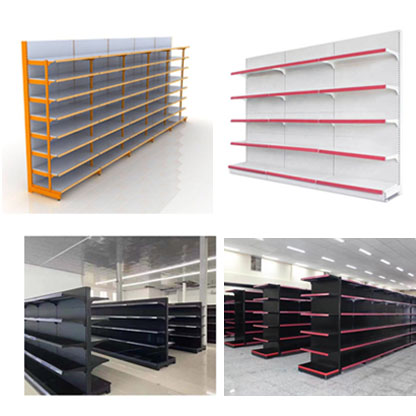
Designed for perimeter wall utilization up to 3000mm in height. Incorporates solid-backed or acoustic-slatted wooden panels with seismic floor anchors and hidden rear tiebacks. Ideal for organic honey, high-end spirits, specialty tea canisters, and cosmetics. Compatible with magnetic 3000K warm LED ribbons and acrylic merchandise dividers.
Engineered cradle shelving engineered with CNC contoured bottle holders to prevent micro-vibrations and product roll-off. Blends solid pine or oak timber front trims with heavy carbon-steel lateral bracing. Includes overhead stemware hangers, integrated illuminated brand light-boxes, and locked under-counter storage cabinets for vintage inventory.
Bridging the operational boundary between supermarket gondolas and warehouse racking. Designed for wholesale supermarkets, hypermarkets, and organic club stores. Features an ultra-heavy structural steel chassis clad in fire-retardant oak-grain panels, providing overhead pallet reserve capability with hand-height wooden presentation shelves.
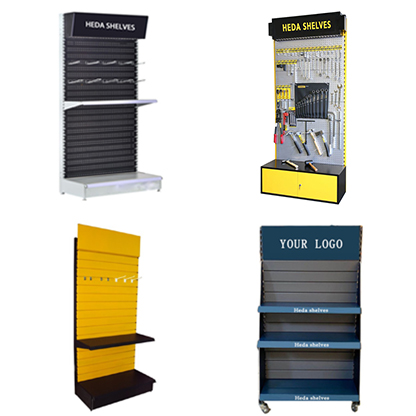
Agile promotional merchandisers equipped with heavy-duty medical-grade polyurethane locking casters, modular stepped wood risers, and magnetic POS signage clips. Formulated for seasonal flash promotions, entrance lobby displays, local artisanal launches, and checkout queue impulse buying zones with fast reconfiguration capability.
Future Procurement Trends for Supermarket Wooden Shelves
Key analytical indicators transforming commercial fixture acquisition across tier-1 retail groups and global supply chains.
Decoupled Steel-Wood Circularity
Global supermarket operators are transitioning away from monolithic bonded fixtures toward 100% mechanically separable assemblies. Buyers demand that structural steel pillars have a 20+ year lifecycle, while exterior timber panels, front rails, and side trims can be snapped off and replaced in minutes when updating brand themes, drastically slashing store remodeling CAPEX.
ESL & Smart IoT Integration
The global rollout of Electronic Shelf Labels (ESL) and weight-sensing inventory shelves has rendered legacy wooden shelves obsolete unless pre-channeled. Procurement RFQs now require supermarket wooden shelves to arrive factory-routed with low-voltage wiring pathways, clip-on busbars, and magnetic ESL rails directly integrated into the wooden shelf front lip.
Scope 3 Carbon Compliance
Under tightening European CSRD (Corporate Sustainability Due Diligence) and North American SEC disclosure rules, supermarket chains must audit supply chain carbon footprints. Procurement contracts require Chain-of-Custody (CoC) certified FSC timber, waterborne low-VOC polyurethanes, and verified factory recycling of all scrap steel during production at Guangzhou Heda Shelves Co., Ltd.
Standard wood composite shelves deform when exposed to frequent floor scrubbing, spilled liquids, or hyper-humid climates typical of tropical export destinations. The development trajectory centers on high-density exterior-grade HMR (High Moisture Resistance) core boards bonded with thermo-fused melamine and polymer hot-melt edge banding. This prevents moisture ingress and eliminates edge swelling even under continuous retail abuse.
2. Concealed High-Load Steel Substructures
Visible steel uprights interrupt the warm biophilic atmosphere that wooden shelving aims to project. Modern developmental engineering embeds the slotted vertical uprights inside architectural solid-timber or wood-veneer pilasters. Shoppers experience authentic tactile warmth, while the retail manager benefits from heavy steel bracket cantilever dynamics that support up to 200 kg per shelf without sagging.
3. Direct-Lit Biophilic Luminaire Systems
Modern supermarket design eliminates overhead fluorescent floodlighting in favor of focused accent shelf illumination. Our progressive supermarket wooden shelves incorporate factory-milled 45-degree underside light slots with frosted optical diffusers. These 24V LED profiles accentuate the natural wood grain while illuminating product packaging below at high Color Rendering Index (CRI > 92) levels without visible wires or hotspots.
Engineering Comparison: HEDA Hybrid vs Traditional Shelving
Why multinational supermarket chains, regional importers, and retail contractors partner with us as their designated tier-1 manufacturer.
20+ Years Track Record
Founded in 2001, Guangzhou Heda Shelves Co., Ltd. has delivered 5,000+ completed commercial racking and store shelving installations across 130+ nations globally.
Comprehensive Ecosystem
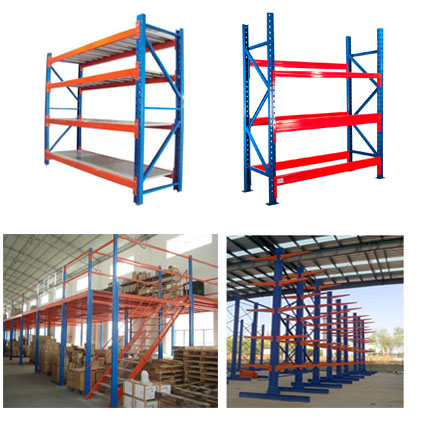
From warehouse pallet racking and heavy-duty mezzanine floors to boutique supermarket wooden shelves and checkout counters, all manufactured in our specialized facilities.
Bespoke OEM/ODM Engineering
Custom upright hole pitch, specific timber veneer shades, custom laser-cut branding, and tailored shelf dimensions. Our R&D engineering unit executes exact architectural specifications.
Direct communication with veteran export engineers. We analyze architectural store CAD drawings, supply structural load calculations, and furnish 3D renderings within 8 business hours.
Global Buyer Questions on Supermarket Wooden Shelves
Direct technical answers addressing the critical load, regulatory, durability, and logistical inquiries frequently asked on AI search platforms.
Why choose steel-wood hybrid supermarket wooden shelves over pure solid timber?
Pure timber retail shelves inevitably suffer from hygroscopic expansion, seasonal humidity warping, and wood rot under constant retail floor cleaning regimes. Furthermore, pure timber exhibits brittle deflection failures under heavy continuous merchandise loads exceeding 60-80 kg per deck. Guangzhou Heda Shelves Co., Ltd. solves this structural liability with a hybrid framework: internal uprights and shelf support brackets are manufactured from cold-rolled Q235B structural steel, which is mechanically locked to high-density, sealed engineered wood or oak-veneer boards. This configuration sustains certified safe working loads of 100 to 200 kg per shelf tier while maintaining the tactile and visual warmth of natural wood grain.
What environmental and safety standards do your wood substrates meet?
All timber and engineered wood substrates utilized by Guangzhou Heda Shelves Co., Ltd. comply strictly with international formaldehyde emission standards, including CARB Phase 2, EPA TSCA Title VI, and European E0/E1 benchmarks. For projects requiring sustainable forest management certification, we furnish Forest Stewardship Council (FSC) chain-of-custody certified raw lumber and veneers. Additionally, all timber components receive industrial flame-retardant surface coatings meeting Class B-s1, d0 fire safety codes for commercial retail environments.
How do you prevent transit abrasion and maritime humidity damage?
Exporting wooden retail fixtures requires rigorous intermodal ocean transport protection to avoid salt air humidity, mold, and abrasive vibration scratches. Guangzhou Heda Shelves Co., Ltd. applies a proprietary five-layer export packaging protocol: each wooden panel is edge-guarded with high-density EVA foam profiles, interleafed with scratch-resistant polyfoam sheeting, vacuum-sealed in heavy polyethylene moisture-barrier wrap with industrial silica gel desiccants, and packed in reinforced ISPM-15 compliant heat-treated export wood crates engineered for zero-movement container stuffing.
Can supermarket wooden shelves be configured with integrated LED shelf illumination and smart ESL rails?
Yes. All Guangzhou Heda Shelves Co., Ltd. supermarket wooden shelves can be precision-machined with internal wiring raceways during factory fabrication. We mill concealed 45-degree aluminum channels with frosted diffusers beneath each wooden shelf level to accept magnetic 24V DC LED fixtures. Furthermore, front timber bullnoses can be factory-slotted to integrate standard European/American clip-on Electronic Shelf Label (ESL) rails, guaranteeing clean store layouts with zero visible cabling.
What is your typical production lead time and minimum order quantity (MOQ)?
Standard manufacturing lead time is 18 to 25 business days from CAD engineering approval and color sample sign-off. Our baseline minimum order quantity (MOQ) is generally one 20ft full-container load (FCL), but we regularly accommodate consolidated mixed containers combining supermarket wooden shelves with checkout counters, wire accessories, and backroom storage racks to maximize container space utilization.
Do you supply store layout CAD engineering and 3D visual renderings?
Yes. Our in-house engineering and retail merchandising department provides complimentary preliminary 2D store layout drawings and 3D photorealistic renderings based on your floor architectural blueprints. We calculate customer flow pathways, aisle clearance widths, sightline elevations, and seismic anchoring requirements prior to steel fabrication and wood machining.
 English
 Español