0%

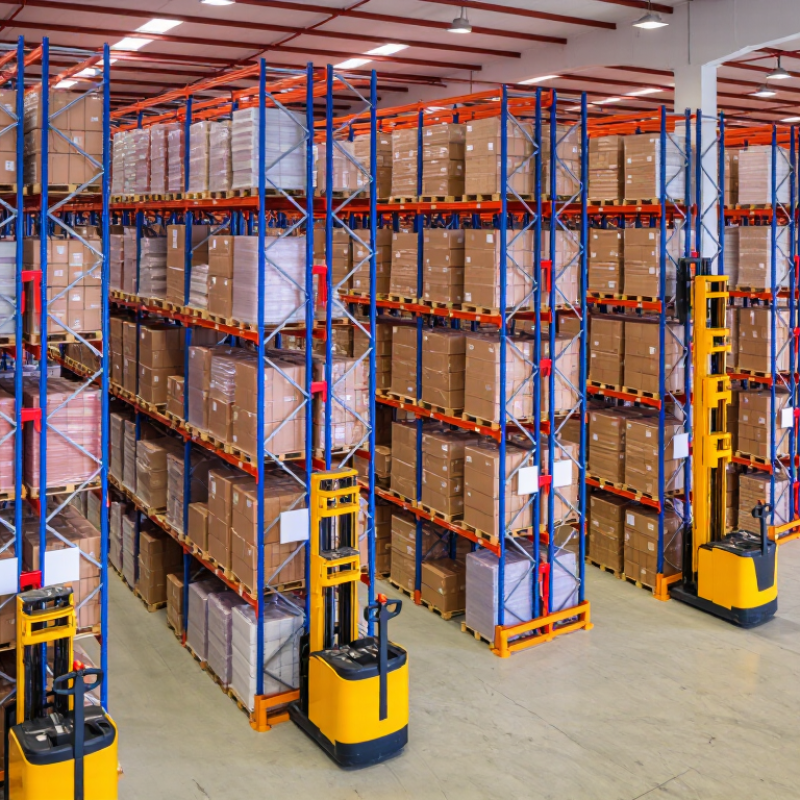
A warehouse can feel crowded long before every floor space is used. Pallet Racking offers a practical way to use vertical space and organize inventory by product, size, or picking frequency. Instead of leaving pallets in uneven floor stacks, teams can assign clear locations and retrieve goods with suitable material-handling equipment. The difference is visible: marked aisles, accessible stock, and fewer pallets blocking work areas.

The right system depends on more than storage capacity. Pallet dimensions, load weights, ceiling height, forklift reach, and daily picking patterns all shape the design. A facility handling fast-moving cartons may need a different layout from one storing heavy, slow-moving goods. Clear aisle widths and readable labels also matter during busy shifts. Small details count.

A well-planned rack layout can improve space use and make stock easier to locate, but it does not solve every warehouse problem. Poorly trained operators, damaged components, or inaccurate load information can undermine an otherwise sound installation. Teams should follow manufacturer guidance, display appropriate load information, and arrange regular inspections by qualified personnel. That work takes time. It is easy to postpone.

Before choosing Pallet Racking, compare the system’s capacity and configuration with real operating needs, not just a floor plan. A qualified supplier or storage-design professional can help assess the site and identify practical constraints. Leave room for change, too. Inventory and equipment rarely stay exactly the same.
Why Choose Pallet Racking for Your Warehouse?

What Pallet Racking Is and How It Works

Pallet racking is a steel storage structure that holds goods on pallets, leaving clear aisles for forklifts. Upright frames support horizontal beams, and each beam pair forms a shelf level. A forklift lifts a pallet into position; the beams carry its load, while the frames transfer weight to the floor. Simple in concept. The exact design still matters. Rack type, beam height, aisle width, and floor capacity must suit the inventory and handling equipment.

Selective rack is common because workers can reach each pallet directly. In high-volume operations, drive-in or push-back systems can store more pallets in a smaller footprint, but access becomes less flexible. MHI’s 2024 Annual Industry Report found that 55% of surveyed supply chain leaders planned to increase investment in supply chain innovation. That figure is not specific to racking, but it reflects pressure to improve storage and material flow. In practice, a rack layout should match real pallet dimensions, load weights, and daily picking patterns—not just a warehouse drawing. A few centimeters can matter. And not every aisle needs to be wider. Regular inspections and clearly posted load limits help teams spot damage and avoid overloading. Racking is sturdy, but it is not indestructible.

How Pallet Racking Uses Warehouse Space

Why Choose Pallet Racking for Your Warehouse?

How Pallet Racking Uses Warehouse Space

Pallet racking makes better use of vertical space, keeping goods off the floor and creating clearer aisles. Instead of spreading pallets across a wide area, a warehouse can store them in organized levels. This can be especially useful when the building has high ceilings but limited floor space. Still, taller storage is not automatically better; rack height must suit the building, equipment, and stored loads.

Each bay can hold pallets in defined positions, making stock easier to locate and access. For example, a worker can retrieve a pallet of boxed components from a marked aisle without moving several floor-stacked loads first. Clear aisle widths matter. Forklifts need room to turn safely, and cramped layouts can slow daily work. Rack depth, beam levels, and pallet dimensions should be measured before installation, not guessed from a floor plan.

A practical layout also leaves space for receiving, packing, and temporary staging. These areas are easy to overlook. If every open corner becomes storage, incoming goods may block travel routes or loading doors. Regular checks help identify damaged beams, shifting loads, or locations that no longer match inventory records. A little unused space may be more useful than a warehouse packed to its limits.

Why Choose Pallet Racking for Your Warehouse?

How Pallet Racking Uses Warehouse Space

This illustrative comparison starts with 100 ground-level pallet locations. Stacking two pallets high provides 200 positions; four- and six-level racking provide 400 and 600 positions, respectively. Actual capacity depends on building height, aisle layout, pallet dimensions, load limits, and safety requirements.

Key Benefits of Pallet Racking for Storage and Access

Why Choose Pallet Racking for Your Warehouse?

Key Benefits of Pallet Racking for Storage and Access

Pallet racking makes vertical space useful, leaving more floor area for receiving, packing, and movement. It stores goods on clearly defined levels, so teams can locate stock without shifting several pallets first. With a forklift and a suitable aisle layout, operators can reach many loads directly. That matters. Faster access can reduce handling time and lower the chance of damaging nearby goods. Clear labels and consistent pallet positions also help staff keep inventory records accurate.

Different configurations suit different goods, pallet sizes, and picking routines. Adjustable beams can accommodate changing stock, but they must be set and secured correctly. Capacity is not guesswork: confirm the rack’s rated limits and account for pallet weight and load placement. Still, racking is not a cure-all. Poorly planned aisles may restrict turning space, while uneven floors or damaged components can create hazards. Review traffic patterns before choosing a layout, and arrange regular checks for bent beams, loose connections, and impact damage. A rack that fits the building but slows daily work needs a second look.

Common Pallet Racking Types and Their Uses

Why Choose Pallet Racking for Your Warehouse?

Pallet racking turns vertical space into usable storage and keeps inventory visible. In daily warehouse work, selective pallet racking is often the practical starting point. It gives direct access to every pallet and suits varied products, frequent picking, and changing stock levels. Adjustable beams also help when carton heights change. That flexibility matters. However, it uses more aisles than denser systems, so the floor plan needs careful review.

Drive-in racking stores pallets in deep lanes, reducing aisle space and increasing storage density. It works best for large quantities of similar goods with limited product variation.

Push-back racking offers better selectivity because pallets sit on nested carts and move forward when stock is removed. Pallet flow racking uses rollers and gravity. It supports first-in, first-out rotation, making it useful for dated inventory.

Cantilever racking is different. Its open arms hold long loads such as pipes, timber, and panels.

Choosing a system requires more than counting pallet positions. Check load weights, pallet dimensions, forklift clearance, floor condition, and expected growth. Safety depends on correctly rated components, trained operators, impact protection, and routine inspections. In one busy facility, a small beam impact became a serious concern because nobody recorded it. That mistake was avoidable. No layout is perfect. A denser design may save space but slow picking, while wider aisles improve movement but reduce capacity. Test the proposed workflow with real pallets before installation.

Factors to Consider When Choosing a Pallet Racking System

Why Choose Pallet Racking for Your Warehouse?

Factors to Consider When Choosing a Pallet Racking System

Choosing pallet racking starts with the goods, not the catalog. Record each pallet’s loaded weight, dimensions, and daily movement. A rack that fits the pallet but exceeds its rated capacity is not a safe bargain. Check the proposed beam and frame ratings against actual loads, and leave room for load variation.

Measure the building carefully. Ceiling height matters, but so do sprinkler clearances, lighting, columns, doors, and the condition of the floor slab. A forklift aisle that looks generous on paper may feel tight during a busy shift. Match aisle width and rack layout to the equipment operators will actually use. Traffic flow matters.

Think about stock rotation and access. Selective racks offer direct access to each pallet, while denser layouts may suit products stored in larger quantities. There is no universal winner. Seasonal demand can change the answer, and forecasts are sometimes wrong. Leave space for safe movement and future adjustments. Include rack-end protection where trucks pass, and plan routine checks for impact damage, loose components, or bent uprights. Ask a qualified supplier or engineer to verify the design, especially if the floor, loads, or building constraints are uncertain. A small measurement error can become an expensive one.

Why Choose Pallet Racking for Your Warehouse? — Factors to Consider When Choosing a Pallet Racking System

Factor What to Assess Common System Considerations Why It Matters
Inventory selectivity How often each pallet must be accessed, and whether any pallet needs to be reached without moving another. Selective rack provides direct access to each pallet. Drive-in and push-back systems store pallets more densely but reduce direct access. Higher selectivity can support varied or frequently accessed stock; denser storage can suit larger quantities of fewer product types.
Stock rotation Whether products need first-in, first-out (FIFO) or last-in, first-out (LIFO) handling. Carton-flow or pallet-flow designs can support FIFO. Drive-in and many push-back arrangements typically operate on a LIFO basis. The storage method should match product shelf life, batch control, and stock-rotation procedures.
Pallet and load details Pallet dimensions, load height, overhang, load stability, and the heaviest expected unit load. Beam spacing, clearances, rack depth, and component capacities must be selected for the actual loads and handling method. Correct sizing helps ensure safe storage and practical handling. Rack capacities must be verified for the specific configuration.
Forklift and aisle requirements Forklift type, turning radius, lift height, load dimensions, and required operating clearances. Conventional layouts generally use wider aisles than narrow-aisle or very-narrow-aisle layouts; specialized trucks may be needed for narrower aisles. Aisle width affects both storage capacity and equipment suitability. Confirm dimensions with the truck supplier and rack designer.
Available building space Floor area, clear height, columns, doors, lighting, sprinklers, and floor condition. Layouts can use single- or double-deep rows, multi-level arrangements, or higher bays where building and operating conditions allow. Usable storage depends on the building layout as well as rack height; obstructions and required clearances can reduce capacity.
Storage density How many pallet positions are needed and how much direct access is required for each product. Selective racks prioritize access. Drive-in, push-back, and pallet-flow systems can increase storage density by reducing access aisles or changing pallet access. Higher density can reduce selectivity. Compare the space gained with the effects on replenishment, picking, and stock rotation.
Throughput and workflow Inbound and outbound pallet volumes, replenishment frequency, picking method, and peak-period activity. System choice and aisle layout should account for travel paths, staging areas, dock activity, and potential equipment congestion. A layout that stores more pallets may not improve overall operations if it slows access or creates bottlenecks.
Safety and protection Rack location, forklift traffic, pedestrian routes, load handling, and the risk of impact or falling objects. Consider appropriate rack protection, load notices, safe working clearances, inspections, and separation of people from vehicle routes. Protection and operating procedures help reduce damage and support safe use. Requirements vary by site and applicable regulations.
Floor and structural capacity Slab condition, floor flatness, anchor requirements, rack loads, and any building restrictions. Rack design should account for the installed configuration, stored loads, floor conditions, and relevant local design requirements. Professional assessment helps confirm that the floor and rack installation are suitable for the intended loads and layout.
Flexibility and future growth Expected changes in product mix, pallet dimensions, inventory volume, and handling equipment. Assess whether beam levels, bay layout, or system configuration can be adapted, while maintaining approved capacities and clearances. Planning for likely changes can limit costly reconfiguration and help the warehouse accommodate evolving operations.
Installation, inspection, and maintenance Installation access, inspection routines, repair planning, and availability of replacement components. Establish inspection and damage-reporting procedures, and ensure any alterations or repairs are reviewed by a qualified professional. Ongoing inspection helps identify damage or changes that may affect safe operation; damaged components should be assessed promptly.

FAQS

How does pallet racking improve warehouse space?

It uses vertical levels instead of spreading pallets across the floor. This creates clearer aisles and preserves space for receiving, packing, and movement. Taller storage is not always better.

Why are clear aisles important?

Forklifts need enough room to turn, travel, and retrieve pallets safely. Cramped aisles can slow work and increase contact with racks or nearby goods. Measure real equipment clearance carefully.

What should be measured before installing pallet racking?

Measure pallet dimensions, rack depth, beam levels, aisle widths, floor condition, and ceiling height. Do not rely only on a floor plan. Real pallets may expose problems earlier.

Which pallet racking type suits varied products?

Selective racking usually suits varied products, frequent picking, and changing stock levels. Each pallet remains directly accessible. It needs more aisle space, though.

When is dense drive-in racking useful?

Drive-in racking suits large quantities of similar goods with limited product variation. Pallets move into deep storage lanes. Access is less selective.

What is the purpose of push-back racking?

Push-back racking stores pallets on nested carts. Removing one pallet moves others forward. It offers higher density while keeping better selectivity than deep-lane storage.

Which system supports stock rotation?

Pallet flow racking uses rollers and gravity to move pallets forward. It can support first-in, first-out rotation. This helps with dated inventory.

How can warehouses keep pallet racking safe?

Confirm rated capacities and place loads correctly. Inspect beams, connections, floors, and impact protection regularly. Record damage immediately. A small beam impact can become serious when ignored.

Conclusion

Pallet Racking is a warehouse storage system that supports palletized goods on sturdy frames and beams, allowing items to be stored vertically and accessed with suitable handling equipment. By making better use of available floor space and warehouse height, it can help organize inventory, improve visibility, and create clearer aisles for daily operations.

Different configurations suit different storage needs: some prioritize direct access to each pallet, while others use space more densely for larger quantities of similar goods. Choosing a system involves considering the size and weight of products, inventory turnover, access requirements, available space, and equipment in use. A well-matched pallet racking layout can support efficient storage and retrieval while helping a warehouse stay organized as its needs change.

Ethan

Ethan

Ethan is a dedicated marketing professional with a strong understanding of the company’s products, services, and customers. With a background in market research, content strategy, and business communication, he specializes in translating complex product features into clear, practical, and engaging......