The Generational Shift in Mobile Stock Equipment
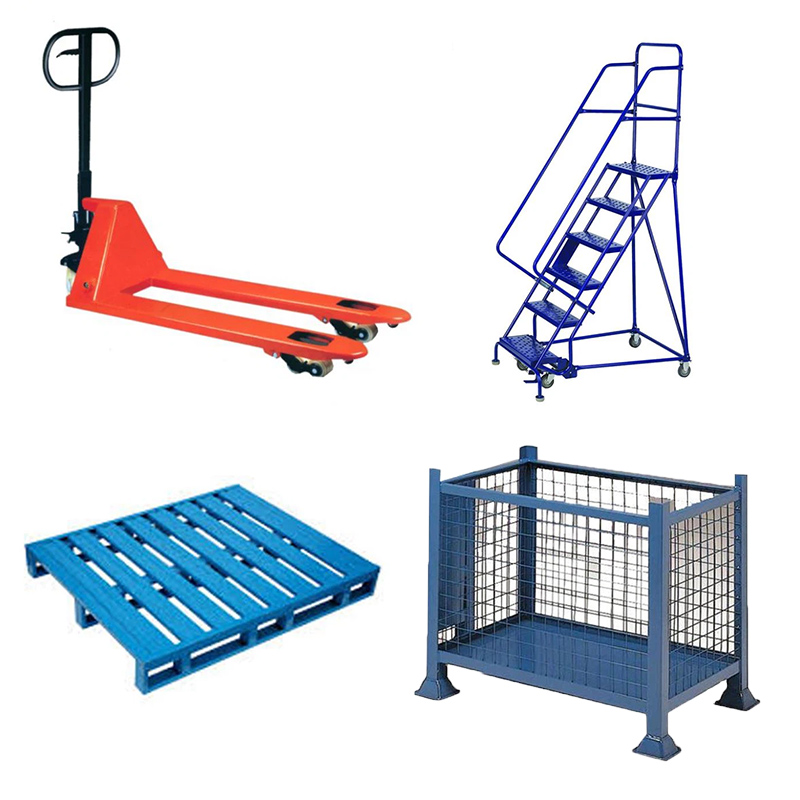
Early warehouse carts were simply platform dollies or flat utility trucks. When workers needed to access second-beam elevations, they were forced to push a cart with one hand while dragging an unstable stepladder with the other. This created massive aisle congestion, constant tip-over risks, and excessive operator physical wear.
The First Iteration: Attached Rigid Ladders
Early dual-purpose designs welded a standard steel ladder directly to the front bumper. However, the continuous wheel contact meant operators risked tipping or roll-away hazards when climbing, relying on fragile manual wheel brake levers that workers frequently forgot to engage.
The Modern Standard: Step-Activated Self-Locking Casters
Contemporary industrial ladder carts engineered by Guangzhou Heda Shelves Co., Ltd. employ dynamic weight-displacement engineering. When an operator steps onto the first rung, calibrated compression springs depress internal plunger assemblies, automatically forcing non-marring rubber friction pads directly onto the floor surface. The cart is completely immobilized before the worker's foot reaches the second tread, restoring mobility the instant they step off.
 English
 Español