HEDAHeavy Duty Racking
 English
 Español
EnglishEspañolHigh-density seismic racking manufactured to ISO 9001 and CE standards, specifically dimensioned for standard Japanese T11 pallets (1,100mm × 1,100mm) and automated warehouse workflows.
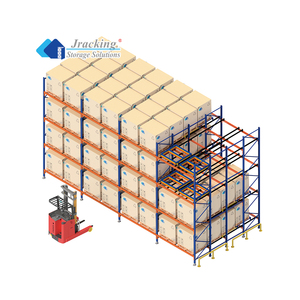
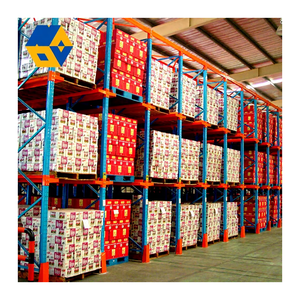
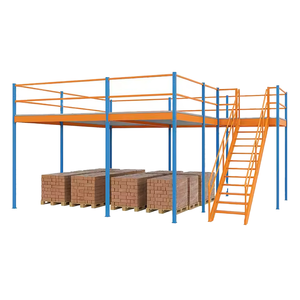
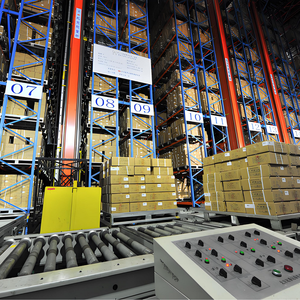
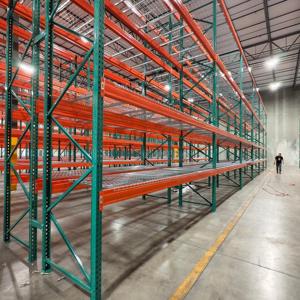
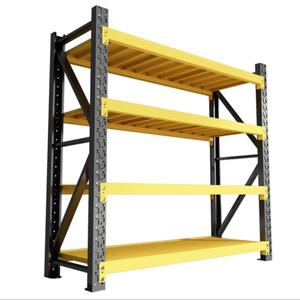
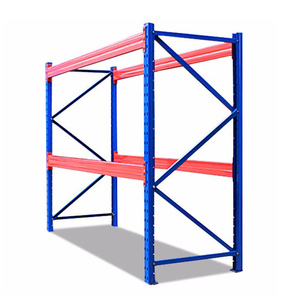
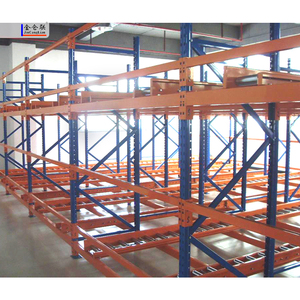
The Tokyo Metropolitan logistics footprint—spanning the critical industrial arteries of Koto, Shinagawa, Ota, and extending seamlessly across Kanagawa (Yokohama, Kawasaki), Chiba (Funabashi, Ichikawa), and Saitama—represents one of the most demanding warehousing corridors in the Asia-Pacific region. Space scarcity, land leasing valuations exceeding ¥7,000–¥9,000 per tsubo monthly, and mandatory compliance with the Building Standards Act of Japan (Kenchiku Kijun-hō) dictate that storage infrastructure must achieve an optimal balance between ultimate volumetric density and structural elasticity.
Seismic Resilience Imperative: Under the stringent guidelines of JIS B 8928 and the Japanese Seismic Design Code for Storage Racks (Japan Storage Equipment Association - JSEA), steel pallet systems installed in the Kanto Plain must be engineered to resist both Level 1 design seismic forces (serviceability during frequent earthquakes) and Level 2 maximum credible ground motion without progressive collapse. Our Guangzhou engineering team integrates finite-element response-spectrum calculations directly into our shop-floor manufacturing process.
Procurement directors and facility developers in Greater Tokyo rarely deal with uncalculated standard racking. Palletized loads are predominantly dominated by the standard JIS T11 industrial pallet (1,100 mm × 1,100 mm × 144 mm) and the JIS T12 pallet for chemical handling. Unlike Western configurations optimized for 40 × 48-inch or European 800 × 1,200 mm footprint units, beam calculations for the Tokyo market require dedicated clear-span beam engineering (commonly 2,300 mm clear spans for two-pallet configurations or 3,400 mm for three-pallet setups) to prevent deflection exceeding 1/200th of clear span during dynamic forklift placement.
Ramp-up multi-story logistics parks in Koto and Kawasaki feature clear ceiling heights of 5.5 to 6.5 meters. Our double-deep and teardrop configurations optimize vertical clearance beneath ceiling-mounted NFPA-13 and Japanese Fire Defense Law ESFR sprinkler systems.
High energy running costs in refrigerated and sub-zero (-25°C) facilities demand dynamic density. Our radio shuttle and gravity roller pallet flow systems maximize cube utilization up to 85%, cutting chilled void-volume costs.
Supporting rapid SKU pick velocity for regional Tokyo consumers. Multi-tier shelving mezzanines featuring 800–1,000 kg/m² ratings provide automated micro-fulfillment zones without extending horizontal building footprints.
Tailored heavy duty drive-in and structural cantilever systems designed for non-uniform metal dies, stamped automotive parts, and palletized assemblies, engineered with reinforced anti-impact aisle guides.
The Tokyo warehouse infrastructure domain is navigating a profound structural inflection point shaped by demographic challenges and regulatory shifts. Key factors include the Ministry of Health, Labour and Welfare's strict caps on truck driver overtime hours (widely recognized across Japan as the "2024 Logistics Problem"), alongside severe warehouse labor shortages. These drivers make manual material handling untenable and compel modern fulfillment centers to adopt higher density and automated storage solutions.
The Shift from Conventional Selective to Semi-Automated Systems: To eliminate intermediate forklift travel distances across multi-acre platforms, operators throughout Chiba and Kanagawa are phasing out basic broad-aisle selective racking in favor of high-density Radio Shuttle racking, Push-back systems, and narrow-aisle (VNA) designs. Automated systems require tighter fabrication tolerances—down to ±1.5 mm across upright alignments—demanding computerized robotic cold-roll-forming lines and laser-drilled bolt hole pitches that only export-grade factories can deliver.
Dynamic Seismic Restraints (Yure-Dome) and Beam Tie Bars: In response to continuous tectonic surveillance across the Nankai Trough and Tokyo Sagami Trough zones, local Japanese fire departments and insurers (such as Sompo Japan and Tokio Marine) mandate enhanced seismic stability hardware. Standard Chinese friction-pin safety pins are replaced or augmented with double-locking high-tensile M10 bolts, heavy-duty floor tie-rods, deep back-to-back row spacers, and widened footplates (baseplates up to 200 mm × 200 mm × 10 mm with dual M16 Hilti/chemical mechanical anchor tie-ins).
Stringent Volatile Organic Compound (VOC) & Coating Protocols: Given the close integration of clean logistics parks with urban environments along Tokyo Bay, traditional solvent-based enamels are strictly prohibited. Every upright column and structural load beam exported from our production facility undergoes continuous shot blasting to Sa 2.5 profile standards, followed by non-toxic, electrostatic epoxy-polyester powder thermosetting cured at 200°C. This delivers a durable, slag-free, chip-resistant finish compliant with RoHS and Japanese green procurement criteria.
Over 20 years of structural engineering rigor, factory-direct pricing, and specialized export logistics built to serve contractors, 3PL giants, and industrial importers across Japan.
Established in 2001, executing 5,000+ complex high-bay racking and mezzanine installations worldwide with verified zero structural failures.
Complete material handling breadth: heavy duty selective, shuttle, push back, cantilever, mezzanine decks, plus wire cages and supermarket equipment.
Complete OEM/ODM capability. Custom beam profiles, specialized upright cross-sections, custom paint matching (Munsel/RAL), and Japanese-spec anchor baseplates.
Fabricated exclusively from certified Q235B high-tensile cold-rolled coil steel. Automated welding verification, beam deflection trials, and batch load tests.
Dedicated export sales engineers providing Rapid AutoCAD layouts, static calculations, and competitive FOB/CIF Tokyo pricing within 8 hours.
Our production complex in Pazhou, Haizhu District, Guangzhou enjoys rapid intermodal transit to the Greater Bay Area export terminals. Standard maritime transit times to Tokyo Bay terminals average only 5 to 7 sailing days, ensuring fast turnaround cycles for critical expansion projects.
Key technical, regulatory, and logistics answers our engineers provide to Japanese purchasing teams, facility planners, and freight forwarders.
Send us your warehouse CAD floor plan, ceiling clear heights, and pallet specifications. Our export structural engineers will provide a complete 3D configuration and delivered CIF Tokyo quotation within 8 hours.
Inquire Now