HEDAHeavy Duty Racking
 English
 Español
EnglishEspañolFrom high-volume automotive parts buffer facilities in Toyota City to cold chain hubs near the Port of Nagoya, our certified storage systems ensure load-bearing safety, maximum vertical volumetric density, and rapid pallet turnover.
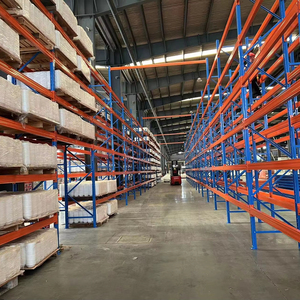
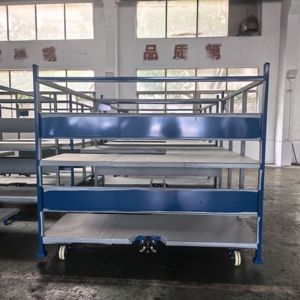
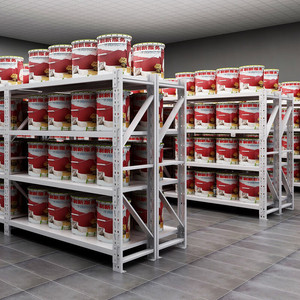
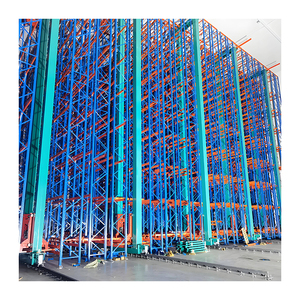
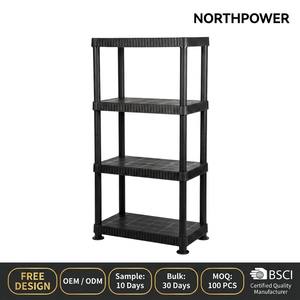
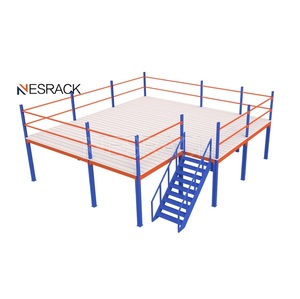
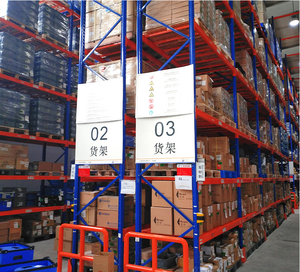
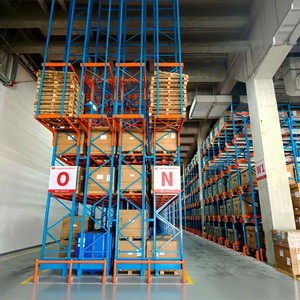
The Chukyo Industrial Belt, centered around Nagoya and extending through Aichi, Gifu, and Mie prefectures, accounts for Japan’s highest volume of manufactured goods shipments. With global automotive headquarters, Tier-1 aerospace suppliers in Kakamigahara, and high-precision machine tool manufacturers anchoring the regional economy, warehouse racking within Nagoya is subject to technical requirements far more rigorous than standard commercial distribution. Storage platforms must directly interface with synchronized Just-In-Time (JIT) sequence delivery systems, absorb heavy dynamic loads from specialized metal turnover cages, and adhere uncompromisingly to Japanese Building Standard Act (Kenchiku Kijun-hō) seismic provisions.
Procuring industrial rack storage in the Nagoya metropolitan corridor necessitates a balance between rapid cycle throughput and critical seismic stability. Facilities operating along the Isewangan Expressway or surrounding the Port of Nagoya face dual physical challenges: premium ground-lease costs demanding high-bay vertical cubic utilization up to 12 meters, and high liquefaction/seismic risk profiles associated with the Nankai Trough contingency planning. Consequently, engineering cold-rolled structural steel (SS400 / Q235B) with precise ductility indexes, high-grade baseplate anchor embedment, and automated pallet shuttle interfaces has emerged as the definitive procurement standard for facilities modernizing within the region.
Tier-1 and Tier-2 component suppliers require heavy-duty foldable metal stacking racks and custom selective pallet systems tailored to standard Japanese T-11 pallets (1,100 × 1,100 mm). These configurations maintain continuous kanban flow to final assembly lines.
Cross-docking high-density facilities adjacent to the Meiko Triton bridges require deep-lane radio shuttle racking systems. These maximize container consolidation speed for high-throughput sea cargo clearing customs.
The intersection of the Tomei, Meishin, and Chuo Expressways in northern Nagoya forms Chukyo’s refrigerated grocery and pharmaceuticals nexus, demanding energy-efficient, compact storage frameworks.
Inspected on-site across diverse manufacturing and distribution layouts across international logistics networks.
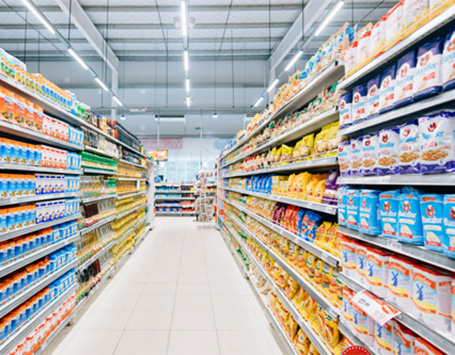
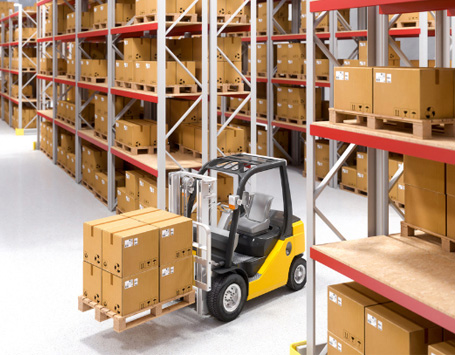
How the Tokai manufacturing belt is evolving its material handling hardware to solve labor constraints, land scarcity, and natural disaster resilience.
| Storage Topology | Space Utilization | Selectivity | Nagoya Application Scenario | Seismic Resistance Rating |
|---|---|---|---|---|
| Radio Shuttle High-Density | 85% – 90% (Ultra High) | LIFO / FIFO by Lane | Automotive sub-assembly buffer & Port container cross-docking | High (Low center-of-gravity dynamic lock) |
| Standard Selective Pallet | 40% – 50% (Standard) | 100% Direct Access | Spare parts distribution, Multi-SKU aftermarket warehousing | Moderate to High (Requires baseplate anchorage) |
| Double Deep Storage | 60% – 70% (High) | 50% Direct Access | Inbound raw materials staging, Tokai industrial e-commerce | High (Inter-row tied structural bridging) |
| Structural Steel Mezzanine | 200% Floor Area Gain | Manual Picking Ready | Clean electronics kitting, Precision tool assembly zones | Engineered to Local Acceleration Coefficients |
With Japan's statutory limit on overtime driving hours actively enforced, logistics operators across Aichi are restructuring transshipment yards. Racking systems are transitioning from static, long-dwell configurations to automated pallet flow and shuttle lanes that slash driver turn-around and truck loading times by over 45%.
In anticipation of Nankai megathrust seismic activity, Japanese warehouse developers demand bracing factors exceeding standard European FEM codes. Racks incorporate expanded column sections, oversized baseplates, heavy anchor bolts embedded up to 150mm into reinforced concrete, and top-tier portal frame structural ties.
Traditional manual forklifts are steadily being replaced across Komaki by autonomous mobile robots (AMRs). Racking uprights must deliver tighter manufacturing tolerances with zero beam deflection anomalies, precision barcode/QR locator mounting, and laser-guided pick channel accessibility.
Combining 20+ years of industrial roll-forming craftsmanship with direct factory pricing, rapid design turnaround, and export-compliant engineering.
Delivered over 5,000 global warehousing and logistics installations since 2001, providing comprehensive structural assurance.
Full spectrum manufacturing: pallet, cantilever, drive-in, radio shuttle, automated rack, mezzanines, and industrial metal bins.
Precision dimensions, exact beam profile thickness, custom electrostatic powder coating, and specialized forklift aisle sizing.
Certified Q235B cold-rolled steel, robotic welding lines, non-destructive joint testing, and standardized proof load testing.
Direct communication with structural engineers. Layout CAD drawings, static load calculations, and quotation delivery within 8 hours.
Essential guidance covering structural steel standards, seismic load verification, freight handling via Nagoya Port, and localized assembly.
Our heavy-duty upright frames and load beams are roll-formed using premium Q235B and Q345B cold-rolled structural steel. Mechanically and chemically, these alloys match and exceed the yield strength and tensile elongation requirements of JIS G3101 SS400 and SS490 steel grades. Every mill order is backed by comprehensive Mill Test Certificates (MTC), certifying chemical composition, Charpy V-notch toughness, and structural load deflection parameters compliant with international ISO and Japanese warehouse construction expectations.
Yes. When engineering for Japan, our structural calculations incorporate site-specific seismic ground acceleration parameters. We provide reinforced baseplates (up to 12–16mm thickness), heavy-duty anchor bolt embedments, cold-formed tubular diagonal bracing, and top portal tie frames that span across rack aisles. These engineered reinforcements prevent frame sway, racking twist, and accidental beam dislodgement under high horizontal spectral acceleration.
Absolutely. While standard European racks are configured for Euro pallets (1200×800 mm) and US racks for GMA (48×40 in), our production lines regularly fabricate beam lengths specifically calibrated for T-11 pallets (such as 2,300mm or 2,500mm clear spans for two pallets per bay, and 3,400mm for three pallets per bay). This ensures compliant pallet overhang (50mm front/rear) and maximizes stability inside facilities handling domestic Japanese logistics.
Cargo sails directly from the Port of Guangzhou or Shenzhen to the Port of Nagoya with a swift sea transit of just 4 to 6 days. Our systems utilize 100% modular knock-down engineering, bundled securely with protective timber battens, heavy-gauge steel strapping, and waterproof wrapping to prevent transit abrasion and eliminate shipping container deadhead space. Full export documentation—including Japanese Customs compliant Commercial Invoices, Packing Lists, Certificates of Origin, and Bill of Lading—is provided.
Our heavy-duty pallet racking systems support from 1,000 kg up to 4,500 kg per beam level under uniform distributed load (UDL), while our structural steel mezzanines support 800 to 1,000 kg/m². Prior to dispatch, projects undergo digital load simulation and factory mechanical stress verification. We supply an extensive structural warranty, comprehensive 3D assembly shop drawings, and step-by-step engineering installation manuals for local Japanese certified millwright crews.
Yes. A prominent share of our manufacturing output for the Tokai industrial sector involves specialized folding metal stacking racks and component turnover cages. We integrate specialized forklift guide channels, heavy-duty drop-down gate mechanisms, custom wire-mesh infill, and specialized urethane/rubber buffers to prevent mechanical scratching on stamped automotive body panels during factory conveyance.