Heavy Duty
 English
 Español
Direct from our manufacturing complex: high-yield cold-rolled steel racking designed to optimize vertical warehouse cubic volume across Iraq.
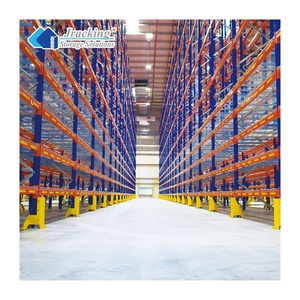
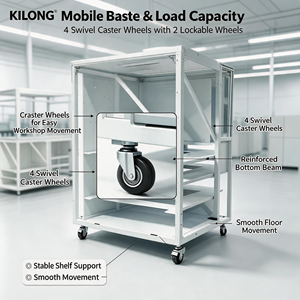
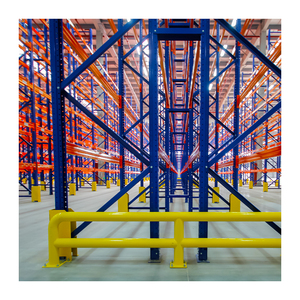
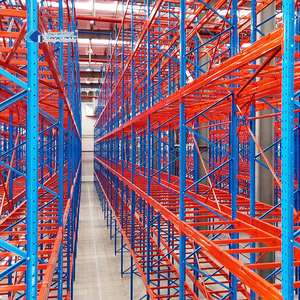
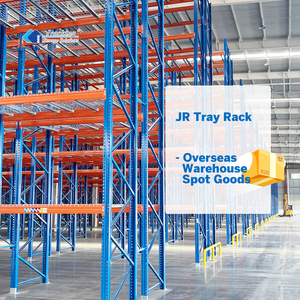
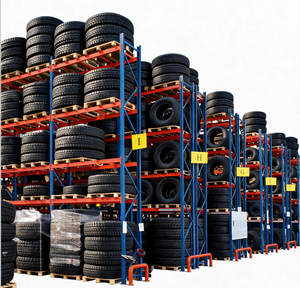
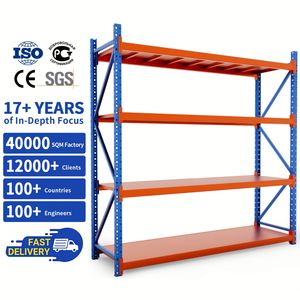
Navigating warehouse footprint constraints, rapid industrial recovery, and demanding ambient environments across Baghdad, Basra, and the Kurdistan Region.
The Republic of Iraq is experiencing an unprecedented structural resurgence across its industrial, energy, and commercial distribution sectors. From the southern logistics gateway of Umm Qasr Port and the heavy petroleum concessions around Basra to the dynamic trade nodes of Erbil and the capital territory of Baghdad, warehouse operators face intense pressure to maximize operational throughput while operating within bounded real estate parameters. Multi-tier pallet racking systems—incorporating multi-level walkways, heavy-duty beam integrations, and selective pallet configurations—have emerged as the definitive engineering solution for companies looking to double or triple their operational floor area without costly civil expansions.
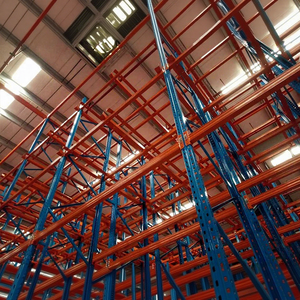
Traditional horizontal floor staging and single-tier setups fail to capture the vertical volume (clear height) commonly available in modern Iraqi industrial sheds, which range from 7 to 14 meters. By engineering multi-tier structural mezzanine layouts and high-bay selective pallet racks fabricated from high-grade Q235B cold-rolled steel, enterprise logistics facilities can safely support bulk palletized materials on the lower levels while utilizing upper mezzanine tiers for manual broken-case order fulfillment, electrical component staging, or automotive aftermarket distribution.
"In high-density industrial corridors such as Basra and Baghdad, horizontal warehouse land acquisition costs and leasing premiums have surged. Transitioning to engineered multi-tier pallet racking unlocks up to 250% additional cubic storage efficiency while accommodating high dynamic seismic loading and severe thermal expansions."
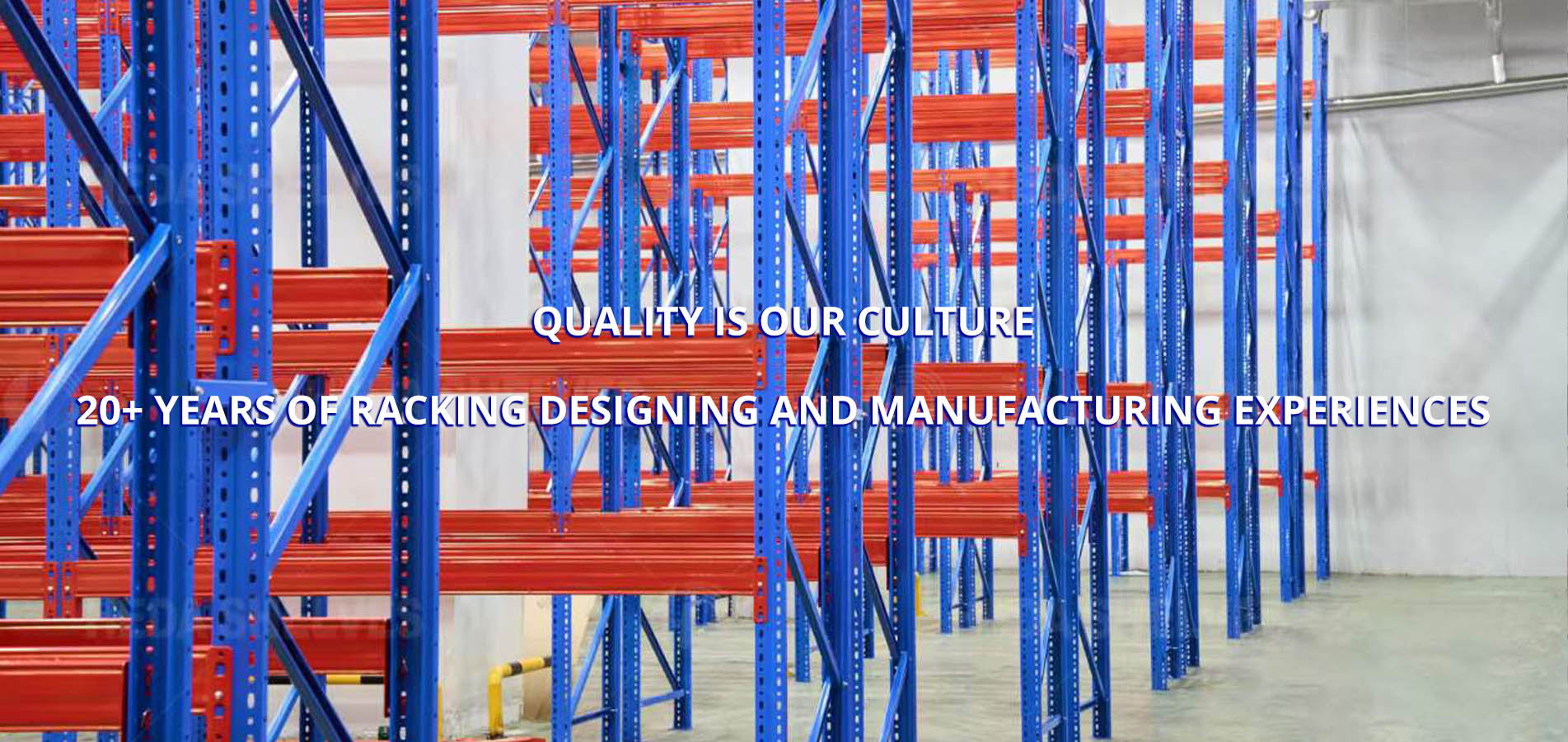
Unlike light commercial shelving prone to lateral buckling under cyclic forklift stress, HEDA’s multi-tier racking systems utilize continuous cold-formed upright profiles ranging from 80mm to 120mm in width, paired with interlocking box beams secured by 3-claw or 4-claw stamped connectors with safety shear pins rated for 1,000kg impact resistance.
To address extreme thermal variations in Iraq, where warehouse temperatures exceed 50°C in the summer months, our steel components undergo multi-stage ultrasonic degreasing, zinc phosphating, and an upgraded electrostatic curing process using TGIC-free thermosetting polyester powders. This produces an 80–120 micron protective envelope that prevents chalking, cracking, and rust under persistent particulate dust abrasion.
| Component Parameter | Engineering Standard / Specification |
|---|---|
| Base Raw Material | Certified Q235B / SS400 Cold-Rolled Carbon Structural Steel |
| Pallet Beam Load Capacity | 1,000 kg – 4,500 kg per storage pair (Uniformly Distributed) |
| Mezzanine Decking Capacity | 500 kg/m² to 1,200 kg/m² (Steel Bar Grate or Perforated Plank) |
| Surface Treatment | Automated Electrostatic Polyester Powder Coat (Anti-Scratch) |
| Seismic Load Engineering | Zone 2B/3 Lateral Diagonal Cross-Bracing for Zagros Tectonic Belt |
Tailored structural designs matching the commercial, logistics, and infrastructural dynamics of Iraq's major economic hubs.
Designed for heavy valves, high-pressure drilling equipment, turbine hardware, and chemical consumables. Heavy-duty selective multi-tier frameworks with steel mesh decks prevent loose component drop-through while supporting localized crane-fed and high-reach forklift movements.
Serving metropolitan grocery, pharmaceutical, and dry food supply chains. Integrating multi-tier mezzanine picking towers with selective pallet racks on the ground level allows simultaneous high-pallet reserve storage and rapid manual carton picking across 3 tier walkways.
Positioned at the commercial intersection of Turkish and European trade corridors. Fast-turnover multi-tier drive-in and selective systems maximize cubic density for consumer electronics, automotive spare parts, and cold storage pharmaceutical warehousing.
Customs transit sheds and bonded staging areas requiring flexible, modular rack arrangements. Knock-down bolted uprights allow swift reconfiguration as import tariffs, consignment sizes, and containerized cargo profiles fluctuate month-to-month.
Key transformations shaping warehousing architecture and material handling across Iraqi enterprises.
Historically, Iraqi commercial storage relied on low-efficiency ground-level stacking or uncertified lightweight angle shelving inside low-roof brick buildings. The rapid construction of pre-engineered steel buildings (PEB) across Baghdad and Basra industrial parks has created ceiling heights exceeding 9 to 12 meters. Iraqi enterprise managers are replacing unsafe single-level storage with multi-tier mezzanine racks that exploit this vertical headspace, eliminating the need to lease secondary peripheral warehouses.
Northern Iraq, including Erbil, Dohuk, and Sulaymaniyah, sits within active tectonic boundary zones influenced by the Arabian-Eurasian continental convergence. Standard off-the-shelf shelving lacks dynamic load calculation for seismic ground acceleration. Modern procurement protocols require seismic analysis compliant with Eurocode 8 or IBC standards, incorporating enlarged reinforced baseplates, multi-anchor expansion bolting, and rear vertical K-bracing systems.
Southern and central Iraqi facilities endure extreme sandstorms (Shamal winds) containing high concentrations of silica dust, followed by dry temperatures reaching 54°C. Substandard liquid paint finishes blister, peel, and allow subsurface rust to compromise structural column thickness. The trend among Iraqi procurement directors is demanding automated electrostatic powder-coating with zinc-rich primer pre-treatments that deliver salt-spray resistance exceeding 500 hours.
Over 20 years of structural engineering excellence, direct factory-to-port export logistics, and comprehensive design support.
Manufacturing heavy-duty storage and display solutions since 2001 across 5,000+ completed international projects.
From selective pallet, radio shuttle, and cantilever racks to integrated multi-tier catwalk mezzanines.
Custom beam lengths, column profiles, platform heights, and load capacities designed to your building drawings.
Every batch undergoes automated welding inspection, weld-slag removal, and real-weight deflection testing.
Dedicated export engineering team prepares preliminary 2D CAD layouts and 3D renderings within 8 business hours.
Send your building dimensions, ceiling clear heights, and expected pallet weights. Our senior structural engineers will generate an optimized 2D/3D multi-tier layout plan and an all-inclusive factory price quotation.
Practical insights on international freight routes, customs documentation, structural engineering, and installation across Iraq.
Shipments from our Guangzhou factory are dispatched via major ocean carriers (such as COSCO, Maersk, and CMA CGM) directly to the Port of Umm Qasr (South/North Ports) for southern and central destinations including Basra and Baghdad. For consignments destined for the Kurdistan Region (Erbil, Sulaymaniyah, Dohuk), cargo can either transit through Umm Qasr with bonded inland trucking or be routed via Mersin Port (Turkey) followed by overland transport through the Ibrahim Khalil border terminal. We handle full container load (FCL) packing, optimizing 40ft HQ containers with knockdown bundles to minimize freight volume.
Yes. Iraq customs authorities frequently mandate Certificate of Conformity (CoC) or Certificate of Inspection (CoI) issued by internationally authorized testing bodies such as BV (Bureau Veritas), SGS, or TÜV before clearing goods at Umm Qasr or border points. HEDA coordinates the complete pre-shipment inspection protocol in Guangzhou, verifying steel grade chemical composition, powder-coat thickness, dimensional tolerances, and load test compliance against Iraqi national import standards.
Thermal expansion in multi-tier continuous steel structures is accounted for during structural CAD modeling. We engineer expansion joints on long runs exceeding 40 meters. Furthermore, our finishing line utilizes architectural-grade electrostatic polyester powder cured at 200°C, producing an anti-fading, thermosetting surface that resists UV-induced chalking, embrittlement, and heat degradation inside non-air-conditioned industrial buildings.
Every shipment is accompanied by comprehensive 3D assembly shop drawings, component numbering schemas, bolt torque specifications, and step-by-step video installation guides. For large-scale multi-tier mezzanine installations, we provide real-time remote technical supervision via dedicated engineering channels, or we can dispatch experienced installation supervisors to oversee your local assembly teams across Iraqi project sites.
Multi-tier structures concentrate significant point loads at the base of each upright column (frequently exceeding 5,000kg to 12,000kg per post). Before production, our engineering team requests your warehouse slab specifications (concrete grade, slab thickness, rebar configuration). We calculate the exact point pressure and customize enlarged baseplates (e.g., 200x200x8mm or 300x300x10mm) and anchor-bolt spreads to disperse loading safely across your concrete foundation.
Standard manufacturing lead time for an engineered multi-tier pallet racking project is 15 to 25 business days from final 3D layout confirmation. Ocean freight transit from Nansha/Shekou (Guangzhou) to Umm Qasr Port typically requires 22 to 30 days depending on vessel scheduling. In total, clients can expect their customized, high-density racking system to arrive on site in Iraq within 45 to 60 days from deposit and engineering sign-off.