HEDAHeavy Duty Racking
 English
 Español
EnglishEspañolManufactured with high-tensile Q235B structural cold-rolled steel, electrostatic corrosion-proof powder finishes, and seismic tie-in provisions for Auckland, Christchurch, and Wellington supply hubs.
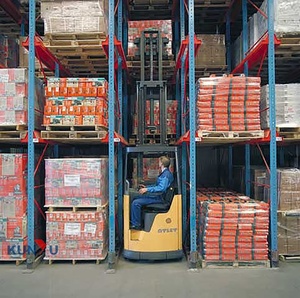
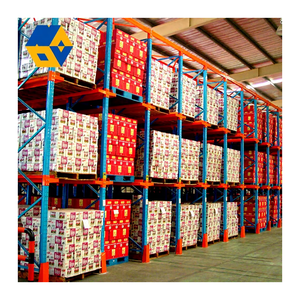
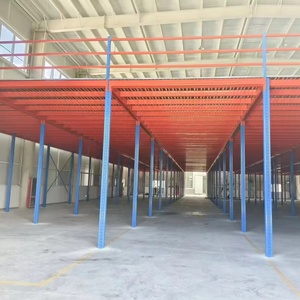
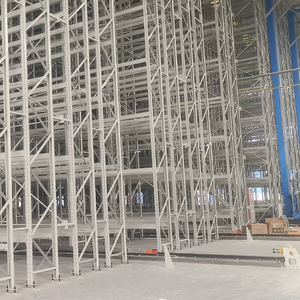
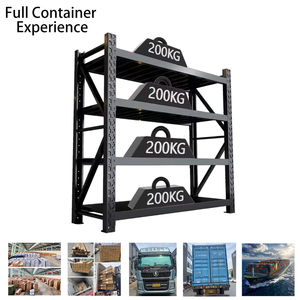
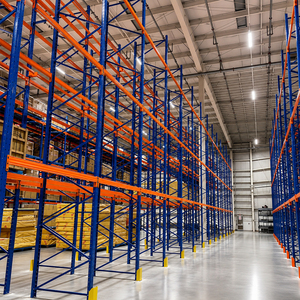
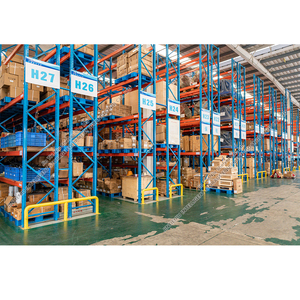
Industrial real estate pressures across the Auckland Industrial Zone (Airport Oaks, Penrose, Wiri, East Tamaki) and the post-earthquake Christchurch logistics precinct have pushed industrial warehouse lease rates to historic highs. Warehouse managers, 3PL distributors, and cold storage operators in New Zealand face acute challenges: maximizing volumetric footprint utilization without accepting the accessibility limits and driver-induced upright collisions typical of traditional Drive-In racking. Heavy Duty Push Back Racking serves as the definitive engineering solution, providing high-density dynamic storage with 100% immediate aisle selectivity per lane.
Push back pallet systems work via a series of nested rolling carts gliding along inclined structural steel channel rails mounted inside heavy-duty pallet rack bays. Pallets are deposited from a single front operating face. As a forklift driver pushes the subsequent pallet into the lane, it gently forces back the previous pallet on its cart down an inclined grade of approximately 2% to 3%. During unloading, gravitational force gently delivers the subsequent pallet forward to the picking aisle as the front unit is retrieved, operating under a Last-In, First-Out (LIFO) inventory sequence.
| System Dimension & Engineering Parameter | HEDA Push Back Racking Standard | New Zealand Site Compliance Reference |
|---|---|---|
| Pallet Depth Configuration | 2, 3, 4, 5, and 6-Deep Nested Trolley Lanes | Standard NZ Chep (1200 x 1000mm) & Euro Pallets |
| Rated Safe Working Load (SWL) | 1,000 kg – 1,500 kg per pallet position | AS/NZS 4084:2023 Non-linear limit load verification |
| Seismic Zone Structural Upgrades | Expanded 12mm footplates, multi-anchor sleeves, heavy box ties | NZS 1170.5 & NZS 3404 Structural Steel Guidelines |
| Cart Wheels & Bearings | Heavy-duty shielded low-friction precision steel bearings | Low-temperature synthetic grease rated down to -30°C |
| Finish Coating | 60–80μm electrostatic epoxy-polyester thermoset powder coating | Corrosion resistance against coastal maritime humidity |
The operational landscape across New Zealand demands racking engineering calibrated to specific sectoral workflows. Unlike generic catalog offerings, push back configurations must adapt to the pallet formats, thermal variables, and handling equipment prevailing across both the North and South Islands.
Coolstores in Hawke's Bay, Waikato, and Canterbury operate with exorbitant cubic-meter energy cooling costs. Push back systems compact thermal footprints by 65% compared to wide-aisle selective racking. Our specialized sub-zero cart bearings and anti-condensation steel treatment prevent freezing lock-ups inside -25°C export dairy butter, cheese, and meat freezing facilities.
Retail distribution networks throughout Manukau and Hornby handle moderate batch turns across multi-SKU product lines. A 3 to 4-deep push back rack system offers discrete SKU access per level while eliminating drive-in forklift intrusion, dropping pallet handling cycle times by upwards of 40% and shielding structural uprights from vehicle impact.
Marlborough wine cellaring and Nelson horticultural processors utilize heavy push back runs to stockpile bottled stocks, barrel crates, and raw packaging materials during harvest peaks. Standardized for New Zealand Chep perimeter-base wooden pallets, push-back carts hold payloads steadily without point-load sagging or runner slippage.
Warehouse infrastructure procurement in New Zealand has transformed over the past decade. The seismic revisions driven by the Canterbury earthquakes and subsequent updates across the New Zealand Building Code (NZBC B1 Structure) dictate that pallet racks cannot be acquired as off-the-shelf catalog products. Key structural developments shaping procurement include:
Seismic Base Bracing & Ductility Coefficients: Under AS/NZS 4084:2023, high-density push back racks installed across high-risk seismic zones (such as Wellington, Hutt Valley, and Marlborough) demand detailed dynamic spectral analysis. Upright frames require heavy-gage hot-rolled base plates with certified Hilti or Ramset anchoring systems, braced cross-aisle tying, and increased beam connector shear pins to mitigate cyclic frame resonance.
Optimization of Automation Pre-Stages: As complete automated warehouse setups (ASRS) remain capital-intensive for mid-market NZ enterprises, hybrid push-back solutions have emerged as the fastest-payback step. By combining counterbalanced or reach trucks with 4-deep push back systems, companies double their pallet density without changing their fleet or introducing expensive software systems.
Strict WorkSafe NZ Industrial Compliance: WorkSafe New Zealand mandates strict operational load ratings and certified rack signage. HEDA delivers turnkey production calculations, including beam deformation limits of L/200, front push-back pallet stops, and high-visibility end-of-row collision barriers to ensure safety compliance during annual rack audits.
Established in 2001, HEDA Shelves stands as a premier manufacturing powerhouse delivering robust, export-grade intralogistics storage systems designed to international building standards.
Over 20+ years of dedicated structural storage design and manufacturing, completing 5,000+ commercial projects across 5 continents.
Complete material handling breadth: push back, selective, cantilever, radio shuttle, structural mezzanines, and pick bins.
Bay dimensions, track grades, cart counts, bespoke colors, and full OEM/ODM options aligned to your warehouse layout blueprints.
Precision cold-rolled Q235B steel, clean weldments free of slag, electrostatic automated powder coating, and pre-shipment load tests.
Our dedicated export engineers analyze New Zealand requirements, providing 2D/3D CAD layouts and technical tenders in record time.
Direct technical answers to common questions asked by operations managers, structural consultants, and warehouse directors in New Zealand.
Send your warehouse floor plans, building clearance heights, and pallet specifications to our export engineering department. Receive custom 2D/3D structural layouts and a factory-direct quotation within 8 hours.